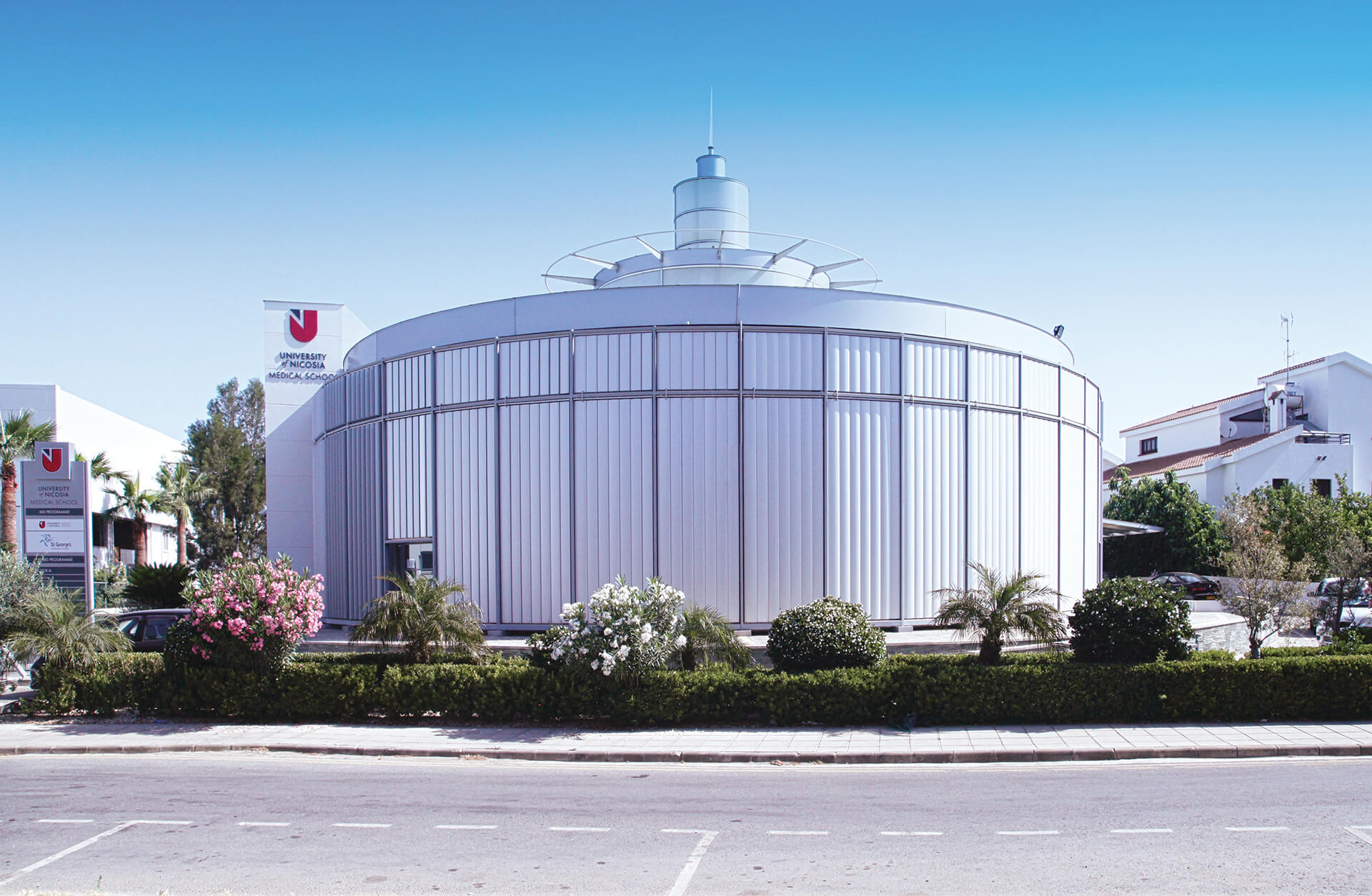
Student mobility continues to play a central role in the University of Nicosia’s (UNIC) commitment to academic internationalisation and cross-cultural exchange. During the 2024–2025 academic year, UNIC sustained robust participation in both incoming and outgoing mobility programmes, welcoming students from across Europe and beyond, while also enabling its own students to study abroad in a diverse range of host institutions and disciplines.
Incoming Student Mobility
In 2024–2025, UNIC welcomed 291 international students from 28 different countries, further consolidating its role as a dynamic hub within the European Higher Education Area.
- Top Countries of Origin:
- Germany – 51 students
- France – 37 students
- Poland – 30 students
- Netherlands – 28 students
Of these, 240 were enrolled in bachelor-level programmes, 48 in master’s programmes, and the remainder at combined or doctoral level.
- Gender Distribution:
- Male: 126
- Female: 165
Beyond these top countries, UNIC’s incoming mobility also reflects a notable global reach: students arrived from as far as Rwanda (4) and Egypt (2), signalling exchange ties extending beyond Europe. The 291 students came from over 115 distinct universities, an unusually wide sending base. Citizenship-wise, the vast majority hold EU citizenship, with a smaller share coming from outside the EU, underlining UNIC’s strong embedding in the European Higher Education Area.
- Most Popular Fields of Study:
- Law – 17 students
- Psychology – 15 students
- Business Administration – 9 students
- Architecture – 8 students
- Management – 8 students
Outgoing Student Mobility
A total of 76 students from the University of Nicosia participated in mobility abroad during the 2024–2025 academic year, travelling to 17 different countries. Among them, 64 were Bachelor students and 12 were Master’s students.
Gender Distribution:
- Male: 34
- Female: 4
Top Destination Countries:
- Germany – 15 student
- Spain – 10 students
- Czechia – 10 students
- Italy – 7 students
- Sweden – 6 students
Most Popular Fields of Study:
- Computer Science – 10 students
- Architecture – 10 students
- Interior Design – 7 students
- Education – 6 students
- Pre-primary Education – 5 students
Roughly 30% of outgoing students chose a NEOLAiA Alliance partner university, a clear indicator that the Alliance is becoming a meaningful channel for outbound mobility, even at this early stage.
Across both directions, women made up the majority of participants (around 56% of incoming and 55% of outgoing), pointing to a consistent gender pattern in academic exchange.
Together, these flows reflect a two-way exchange that strengthens UNIC’s European footprint while opening doors for its own students. With outgoing mobility extending to 17 countries and incoming participation drawing from 28, the 2024–2025 figures demonstrate UNIC’s growing role as both a destination and a launchpad within the European Higher Education Area.